
By Kevlin Howell

Image via Pexels
Busy hosts planning birthdays, backyard hangs, or holiday get-togethers often want memorable social gatherings without the trash pile and waste that usually comes with them. The tension is real: eco-friendly party hosting can sound like extra rules, higher costs, and a vibe that feels a little too “responsible” to be fun. The good news is that sustainable event planning doesn’t have to be perfect or preachy to work, and environmentally conscious celebrations can actually feel more thoughtful and relaxed for everyone. With the right mindset and a few smart choices, beginner eco hosting turns green party ideas into a night people talk about for the right reasons.
Pick 7 High-Impact Swaps for Any Party Setup
You don’t have to throw a “perfect” zero-waste party to make a real dent, just pick a few swaps that fit your vibe and budget. Think of this as a mix-and-match menu: choose the easiest wins first, then level up if you want.
- Go digital for invites and updates: Send digital invitations, collect RSVPs, and share day-of info (address, parking, dress code) in one thread. Choosing digital invites skips paper mailers entirely and makes it easier to adjust plans if weather or timing shifts. Add one friendly line: “Reply with your headcount and any dietary needs by Friday.”
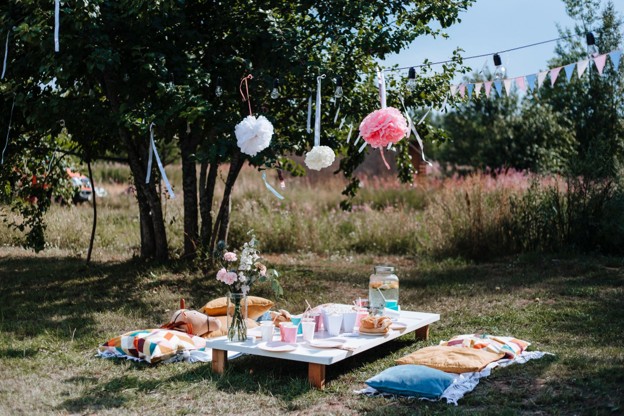
- Decorate with reusables you already own: Start by “shopping your house”: string lights, vases, scarves as table runners, plants as centerpieces, and a stack of frames or a mirror for signage. If you need extras, choose durable pieces you’ll actually store and reuse (fabric bunting, neutral tablecloths, simple candle holders). Keep it cohesive by picking one color + one texture, this looks intentional without buying themed packs.
- Skip single-use tableware with a real plan for dishes: If you have enough plates and cups, use them, then set up a clear “dirty drop” station (bus tub + scrape bin + soak area) so cleanup stays contained. If you don’t have enough, borrow from friends or do a mismatched look on purpose. For big crowds, compostable options can help, but only if your local waste service actually accepts them, otherwise they behave like trash.
- Make food the main “high-impact” upgrade: Party supply waste often hides in snacks and drinks, so start here: serve 2–3 filling items instead of a huge spread, and build a menu that uses overlapping ingredients (one herb, one sauce, one veggie tray that becomes toppings). Choose locally sourced food and drinks when it’s easy, seasonal produce, a nearby bakery, or a local beverage, because shorter supply chains usually mean less packaging and transport.
- Offer a help-yourself drink setup to cut packaging: Set out one big batch drink (tea, citrus water, or a simple punch) in pitchers or dispensers and a small “choose-your-own” add-on tray (fruit, herbs, sparkling water). This reduces the pile of single bottles and cans and keeps hosts from playing bartender all night. Put a marker next to cups so people can label theirs and reuse it.
- Use energy-efficient lighting and smarter timing: Lean on LED string lights, lamps, and a few focused light sources instead of blasting overheads. If it works for your crowd, start the party an hour earlier so you use less nighttime lighting, or keep outdoor areas to one well-lit zone instead of lighting the whole yard. Candles are fine for mood, just cluster them where people actually hang out.
- Make green transportation the default, not an “extra”: In your invite, include one short line with the easiest transit option, bike parking spot, and a suggestion to carpool from a familiar landmark. If you’re hosting 10+ people, ask two guests to be “carpool captains” who can pick up 1–2 others. A little coordination up front reduces last-minute parking chaos and makes your final guest count feel more real.
Pick two swaps that feel effortless, then add one that saves you stress (like a dish station or carpool plan). Once you’ve made those choices, getting a tight headcount becomes the easiest way to avoid overbuying and still feed everyone well.

Lock In Headcount Early to Cut Waste and Stress
Once you’ve picked your biggest eco-friendly swaps, the easiest way to make them actually stick is knowing how many people you’re hosting. Confirming guest numbers early keeps your party greener and calmer because you can buy what you’ll truly use, no mountains of leftover food, half-drunk beverages, or extra disposable items “just in case.” A solid headcount also makes it easier to plan portions and supplies so guests still feel well cared for: enough to eat, plenty to drink, and the right amount of plates and napkins without overstocking. Many hosts find that party planning tips help turn that headcount into smarter shopping and prep.

Plan → Set Up → Host → Sort → Reset
This eco-friendly party workflow keeps the fun part easy because you are making a few clear decisions at the right times, not juggling everything at once. It also reduces waste naturally by building in sustainable event setup, clear sorting, and a predictable post-party cleanup routine.
| Stage | Action | Goal |
| Plan the green basics | Choose reusables, menu style, and minimal decor | Clear priorities and fewer last-minute purchases |
| Shop and prep smart | Buy in bulk, batch-prep, and chill drinks early | Less packaging and smoother hosting flow |
| Set up for success | Arrange serving area; place labeled recycling and composting stations | Guests know where things go without asking |
| Host and nudge gently | Announce stations; keep a small “sorting guide” visible | Low-confusion cleanup while people mingle |
| Sort and reset | Consolidate leftovers; rinse recyclables; compost food scraps | Cleaner bins and easier drop-off or pickup |
| Reflect and adjust | Note what ran out; what got tossed; what worked | A better step-by-step green party plan next time |
Each stage sets up the next: planning limits what you bring in, setup guides what happens during the party, and sorting turns chaos into simple categories. The quick reflection at the end is what makes this repeatable instead of a one-time sprint.
Eco-Party Questions People Actually Ask
Q: What if guests ignore the recycling and compost bins?
A: Make it easier to do right than to do wrong. Put trash a step farther away, and keep recycling and compost side-by-side with big, simple labels and example items taped to the front. A 10-second welcome announcement and one “bin buddy” near the food area prevents most mistakes.
Q: How do I avoid a gross, smelly compost situation?
A: Line a small countertop caddy with paper, add a “greens only” note, and empty it once during the party. Keep compost to food scraps and uncoated paper, not plastic, foil, or liquids. If you are unsure, choose trash over contamination.
Q: Should I bother composting if it feels like a tiny impact?
A: Yes, because food waste adds up fast. The EPA notes 66.2 million tons of wasted food were generated in 2019, and only 5% was composted, so even one party can be a meaningful habit shift.
Q: What are the best recycling best practices when labels are confusing?
A: Use a “rinse, empty, dry-ish” rule and keep a small tub for “not sure” items. If something is greasy or food-soiled, it usually belongs in trash or compost, not recycling. When in doubt, follow your local hauler’s guidelines to avoid contaminating the whole bin.
Q: Can I use disposable items and still call it eco-friendly?
A: Sometimes, but be picky. Skip unnecessary single-use add-ons like gloves for serving, since 100+ years to decompose is a long legacy for a few minutes of convenience. If you must go disposable, choose one category to improve, like compostable napkins paired with a real compost bin.
Make Eco-Friendly Hosting Easy, Enjoyable, and Repeatable
Wanting a fun party while avoiding extra trash can feel like choosing between convenience and values. The fix isn’t perfection, it’s an empowered event planning mindset: plan for reusables, clear sorting, and simple defaults that make the greener option the easiest one. Do that, and the benefits of sustainable parties show up fast, less cleanup chaos, fewer awkward questions, and guests who relax because expectations are clear. A great party doesn’t need waste; it needs a few smart defaults. At your next get-together, you can choose just one or two swaps and set them up, so guests naturally follow along. Those small choices keep motivating green hosting, encourage eco-conscious guests, and add up to real long-term environmental impact.
If you are planning a wedding in Roanoke, Richmond, Fredericksburg/Northern Virginia, The Shenandoah Valley, Coastal Virginia, or Charlottesville/ Lynchburg, Virginia, we can help with your wedding planning and ideas.