
Wedding planning is filled with exciting decisions, from choosing your venue and selecting your flowers to finding the perfect dress. But as the big day approaches, it’s often the smaller details that can make the biggest difference in how smoothly everything comes together.
You’ve spent months (or even years!) planning your wedding. The last thing you want is to spend your wedding day worrying about forgotten details, tracking down vendors, or answering questions from guests and family members.
Whether you’re planning an intimate celebration or a large traditional wedding, having a detailed wedding day checklist can help ensure nothing gets overlooked.
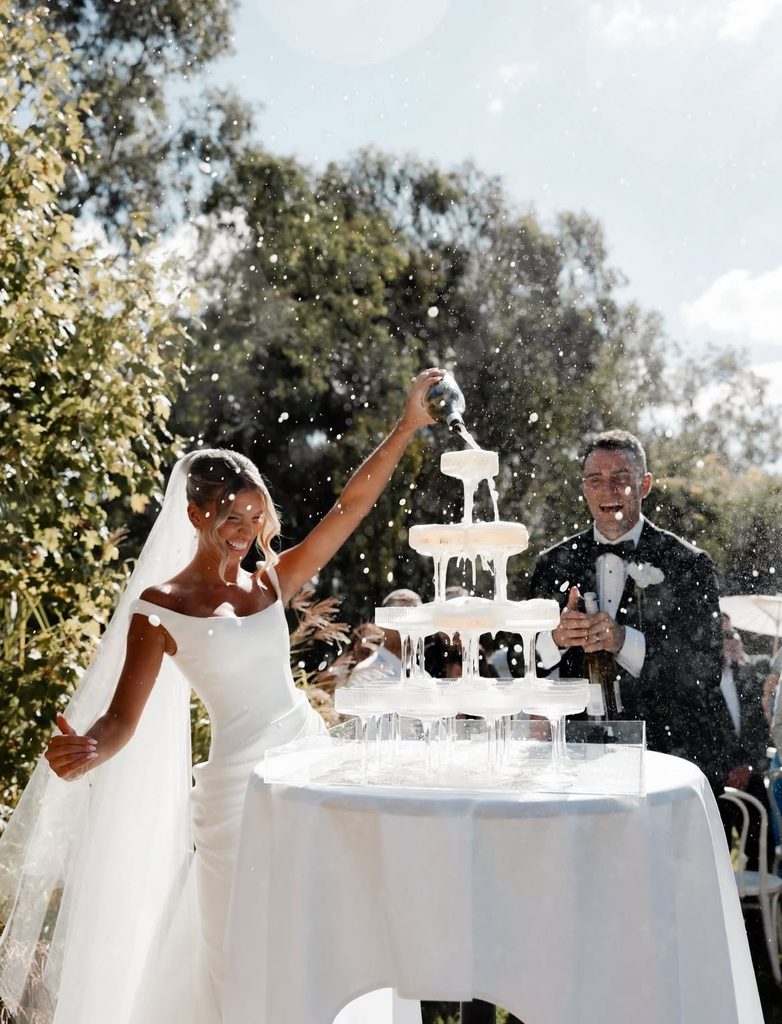
1. Getting Ready: Start the Day Stress-Free
The morning of your wedding should be filled with excitement, laughter, and anticipation. A little preparation can go a long way in keeping things organized.
Getting-ready checklist:
- Pack an emergency kit with safety pins, fashion tape, stain remover, pain relievers, and other last-minute necessities.
- Arrange food and drinks for the wedding party. It’s easy to forget to eat when everyone is getting ready!
- Steam or press dresses, suits, and other wedding attire ahead of time.
- Gather important details for your photographer, including invitations, rings, jewelry, shoes, perfume, and other sentimental items.
- Assign someone to keep track of personal belongings, bags, and gifts throughout the day.
How a wedding coordinator helps: A wedding coordinator can help organize the morning’s timeline, communicate with hair and makeup artists, and ensure everyone knows when and where they need to be. They can also help arrange detail items for photography and make sure the transition from getting ready to the ceremony happens on schedule.
2. Ceremony Details: Make Sure Nothing Gets Missed
Your ceremony may only last 20 to 30 minutes, but there are plenty of moving pieces behind the scenes. From coordinating the wedding party to making sure the ceremony space is ready, these details deserve attention.
Ceremony checklist:
- Bring your marriage license and confirm who is responsible for delivering it to the officiant.
- Confirm that wedding rings are in the correct hands before the ceremony begins.
- Reserve seating for immediate family members and other special guests.
- Provide ushers or designated family members with seating instructions.
- Confirm ceremony music, including processional, recessional, and any special songs.
- Make sure ceremony programs, welcome signs, and other stationery are in place.
- Communicate any special ceremony traditions or family participation to everyone involved.
How a wedding coordinator helps: Your coordinator can oversee ceremony setup, communicate with the officiant and musicians, organize the wedding party processional, and ensure reserved seating is properly arranged. They can also confirm that the rings, marriage license, and other important items are where they need to be before the ceremony begins.
3. Reception Details: Prepare for a Seamless Celebration
Once the ceremony is over, it’s time to celebrate! Reception spaces often involve multiple vendors, décor elements, and logistical details that need to come together before guests arrive.
Reception checklist:
- Confirm the final seating chart and make sure the venue or caterer has the most up-to-date version.
- Place escort cards, place cards, and table numbers in their designated locations.
- Set up the guest book, card box, and gift table.
- Make sure signage is displayed, including menus, bar signs, seating charts, and welcome signs.
- Confirm that favors and personalized guest gifts are distributed appropriately.
- Provide the DJ or band with a list of important songs and special announcements.
- Confirm the timeline for grand entrances, toasts, dinner service, cake cutting, and special dances.
- Identify who will collect gifts, cards, and personal belongings at the end of the evening.
How a wedding coordinator helps: This is where having a wedding coordinator can make an especially noticeable difference. Your coordinator can oversee reception setup, communicate with the venue and vendors, check table arrangements, and ensure décor and personal details are placed according to your vision. Throughout the reception, they can keep the timeline moving and coordinate important moments so you can focus on enjoying the celebration.
4. Vendor Coordination: Keep Everyone on the Same Page
You may have hired the best photographer, caterer, florist, DJ, and rental company in the business, but that doesn’t mean they automatically know how your wedding day is supposed to unfold.
Clear communication is essential to making sure everyone is working toward the same plan.
Vendor coordination checklist:
- Confirm arrival times and setup requirements with every vendor.
- Share the final wedding day timeline with all vendors.
- Provide vendors with the venue address, parking instructions, and designated points of contact.
- Confirm delivery and pickup times for rentals, flowers, and other items.
- Communicate any venue restrictions or special setup instructions.
- Make sure vendors know who to contact if questions or unexpected issues arise.
How a wedding coordinator helps: One of the biggest responsibilities of a wedding coordinator is serving as the primary point of contact for vendors on the wedding day. Rather than having your phone ring with questions about deliveries, setup, or timing, your coordinator handles communication and works behind the scenes to keep everything organized.
A coordinator can also review vendor contracts and timelines ahead of the wedding to identify potential scheduling conflicts or overlooked responsibilities.
5. Personal Touches: Don’t Forget What Makes Your Wedding Yours
Some of the most memorable wedding details aren’t necessarily the most expensive. They are the thoughtful touches that reflect your relationship, your families, and your personalities.
Personal details checklist:
- Prepare thank-you gifts for parents, wedding party members, or other special guests.
- Make sure family heirlooms, sentimental accessories, or borrowed items are safely packed.
- Confirm who will distribute wedding favors or welcome bags.
- Prepare a list of family members and important guests for your photographer.
- Decide who will take home the guest book, gifts, leftover stationery, and personal décor.
How a wedding coordinator helps: Your coordinator can help organize and place personal décor, arrange special details, and ensure important moments are included in the timeline. They can also help communicate special photography requests and coordinate the collection of personal belongings at the end of the evening.
These details may seem small, but they often hold the most sentimental value. Having someone responsible for keeping track of them means you won’t have to worry about remembering everything yourself.
6. The Final Week: Your Last-Minute Wedding Checklist
The final week before your wedding is not the time to start making major decisions. Instead, focus on confirming arrangements and making sure everything is ready.
One-week-out checklist:
- Finalize and distribute the wedding day timeline.
- Confirm final guest counts and meal selections with the caterer.
- Double-check vendor arrival times and contact information.
- Pack all wedding-day accessories, stationery, décor, and personal items.
- Confirm transportation arrangements for the wedding party and guests.
- Review the weather forecast and finalize any necessary backup plans.
- Make sure all outstanding payments, gratuities, and vendor tips are prepared.
- Confirm who is responsible for setup, cleanup, and taking personal items home.
How a wedding coordinator helps: Ideally, your wedding coordinator has already been working through many of these details with you. During the final week, they can confirm vendor arrangements, review the timeline, communicate last-minute changes, and ensure everyone understands their responsibilities.
Instead of spending the days leading up to your wedding making phone calls and tracking down details, you can focus on enjoying the excitement of your upcoming celebration.
Why a Wedding Coordinator Makes All the Difference
A wedding coordinator does much more than make sure the ceremony starts on time. They serve as the behind-the-scenes organizer, communicator, and problem-solver who helps bring all of your planning efforts together.
Even if you’ve handled every aspect of planning yourself, having a dedicated professional oversee the wedding day can make a tremendous difference.
A wedding coordinator can:
- Manage the timeline: Keep the day on schedule while allowing flexibility when unexpected delays occur.
- Coordinate vendors: Serve as the primary point of contact so you and your family aren’t fielding questions throughout the day.
- Oversee setup: Ensure décor, signage, seating arrangements, and personal details are placed correctly.
- Handle unexpected issues: Address last-minute challenges discreetly without involving the couple.
- Coordinate special moments: Make sure important events, traditions, and planned surprises happen as intended.
- Manage transitions: Help move guests and wedding party members from one part of the celebration to the next.
- Oversee the end of the evening: Help coordinate cleanup, vendor departures, and the collection of personal belongings.
Most importantly, a wedding coordinator gives you the freedom to be present. You should be celebrating with your new spouse, enjoying time with family and friends, and making memories—not answering vendor questions or worrying about whether the guest book has been set out.
If you are planning a wedding in Roanoke, Richmond, Fredericksburg/Northern Virginia, The Shenandoah Valley, Coastal Virginia, or Charlottesville/ Lynchburg, Virginia, we can help with your wedding planning and ideas.